
Peripheral edema is considered to be a common and annoying adverse effect of calcium channel blockers CCBs. Maximum 10 mg per day.

Anti Atherosclerotic Potential Of Dihydropyridine Calcium Channel Blockers Semantic Scholar

Structures Of Dihydropyridine Class Calcium Channel Blockers Nic Download Scientific Diagram
1
Dihydropyridine CCBs can cause flushing headache excessive hypotension edema and reflex tachycardia.
Dihydropyridine calcium channel blockers. They are used in the treatment of hypertension. The members of each class bind to a different receptor site within the calcium channel. Dihydropyridine calcium antagonists usually end in the suffix -pine and include.
Dihydropyridine vs Nondihydropyridine. Dihydropyridine DHP CCBs tend to be more potent vasodilators than non-dihydropyridine non-DHP agents whereas the latter have. Although under normal Ca 2 out conditions three BK channel blockers had no effect on neurotransmitter release in tibialis anterior muscle of adult mice Wang et al.
It has been thought to occur secondary to arteriolar dilatation causing intracapillary hypertension and fluid extravasation. Dihydropyridine DHP calcium channel blockers are derived from the molecule dihydropyridine and often used to reduce systemic vascular resistance and arterial pressure. The choice of dihydropyridine calcium-channel blocker depends on local recommendations.
These agents are often classified into two major categories either non-dihydropyridines or dihydropyridines. The ARBs have additive BP lowering effects when combined with thiazide diuretics and dihydropyridine calcium channel blockers without increasing adverse event rates. For all CALCIUM-CHANNEL BLOCKERS.
Experimental data suggest that amlodipine binds to both dihydropyridine and. Dihydropyridine calcium channel blockers are derivatives of 14-dihydropyridine that are used as L-type calcium channel blockers. These are drugs that your doctor prescribes in order to lower your blood pressure.
What are calcium channel antagonists. If you have high blood pressure then youre most likely familiar with calcium channel blockers. Calcium channel blockers are medications used to help lower the blood pressure treatprevent angina and treat cardiac dysrhythmias.
In the absence of a specific clinical reason there are three main classes of drugs that have been used for initial monotherapy. For all CALCIUM-CHANNEL BLOCKERS. Furthermore the ARBs have proven mortality and morbidity effects in heart failure and chronic renal disease particularly when associated with type 2 diabetes.
Calcium channel antagonists also known as calcium channel blockers CCBs have been widely used for many indications. Counseling Do not abruptly discontinue without physicians advice. Monitor closely for HF exacerbation and hypotension when titrating dose.
Amlodipine is a dihydropyridine calcium antagonist calcium ion antagonist or slow-channel blocker that inhibits the transmembrane influx of calcium ions into vascular smooth muscle and cardiac muscle. 1 The combination of a CCB and an angiotensin receptor blocker ARB are the best option in hypertension management23 is effective in reducing BP in hypertensive patients4. Baroreceptor reflex activation of sympathetic nerves and lack of direct negative cardiac effects can make dihydropyridines a less desirable choice for stable angina than diltiazem verapamil or.
Calcium channel blockers CCBs share a common mechanism of action. Amlodipine is a dihydropyridine calcium-channel blocker. Calcium channel blockers CCBs NCLEX questions for nursing students.
Expert sources advise tablets may be dispersed in water. Concomitant amiodarone digoxin disopyramide or non-dihydropyridine calcium channel blockers may increase the risk of bradycardia. For people with hypertension and angina amlodipine.
Nifedipine felodipine and amlodipine. It is usually refractory to diuretic treatment as it is due to changes in capillary pressure leading to leakage into interstitial areas rather than due to water retention. Calcium Channel Blockers Non-dihydropyridine.
Ankle oedema is a common often troublesome adverse effect for patients who are receiving calcium channel blocker CCB therapy and may affect compliance. There are 3 different classes of clinically useful calcium channel antagonists. Medscapes clinical reference is the most authoritative and accessible point-of-care medical reference for physicians and healthcare professionals available online and via all major mobile devices.
Thiazide diuretics long-acting calcium channel blockers most often a dihydropyridine and ACE inhibitors or ARBs algorithm 1. Cardiovascular indications include hypertension coronary spasm angina pectoris supraventricular dysrhythmias hypertrophic cardiomyopathy and pulmonary. Initially 5 mg once daily.
Compared with certain other L-type calcium channel blockers for example those of the phenylalkylamine class such as verapamil that have significant action at the heart they are relatively vascular. Calcium channel blockers includeheadache constipation rash nausea Hot flushes edema fluid accumulation in tissues drowsiness low blood pressure and dizziness. The nurse should be aware of how the drug works why it is ordered nursing implications adverse reactions and how to teach the patient how to take the medication.
Sometimes when they are used to treat angina the vasodilation and hypotension can lead to reflex tachycardia which can be detrimental for patients with ischemic symptoms because of the resulting. Importantly the effects of LTCC inhibition were completely prevented by preliminary inhibition of either P2Y-Rs or PKC. Dosing Uses Side Effects Interactions Patient Handouts Pricing and more from Medscape Reference.
For Child 1 month11 years. Amlodipine is a dihydropyridine calcium-channel blocker. For people with hypertension alone amlodipine may be preferred on the basis of cost.
Calcium-channel blockers Overview There are important differences between verapamil hydrochloride diltiazem hydrochloride and the dihydropyridine calcium-channel blockers amlodipine felodipine lacidipine lercanidipine hydrochloride nicardipine hydrochloride nifedipine and nimodipine. However the manner in which they exert their pharmacological effects is different between subclasses. Calcium channel blockers CCBs are a group of medicines commonly prescribed to treat conditions of the heart and blood vessels such as hypertension high blood pressure angina some abnormal heart rhythms and Raynauds phenomenon a condition resulting in painful and cold fingers and toes due to narrowing of the arteries in the hands and feet.
The 3 classes are represented by verapamil diltiazem and the dihydropyridines. Calcium channel blockers CCBs are a class of medications used to treat high blood pressure. Calcium channel blockers target the arterial smooth muscles forcing them to relax and bring about peripheral vasodilation a process that leads to a lower blood pressure.
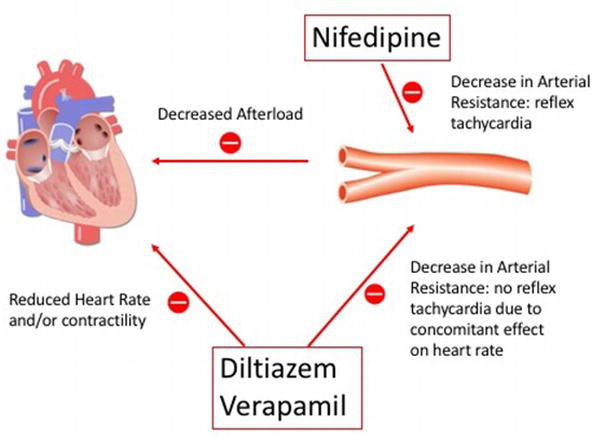
Calcium Channel Blockers Intechopen
Non Cardiogenic Pulmonary Edema And Life Threatening Shock Due To Calcium Channel Blocker Overdose A Case Report And Clinical Review Respiratory Care


Calcium Channel Blocker An Overview Sciencedirect Topics

Meta Analysis Evaluating Calcium Channel Blockers And The Risk Of Peripheral Arterial Disease In Patients With Hypertension American Journal Of Cardiology

Image Result For Calcium Channel Blockers Pharmacology Nursing Pharmacology Emergency Nursing

A Complete Guide On The Pharmacologic And Pharmacotherapeutic Aspects Of Calcium Channel Blockers An Extensive Review Semantic Scholar

Calcium Channel Blockers Dihydropyridines Vs Non Dihydropyridines Dihydropyridines Grepmed
Ca Channel Blockers Classificatio Dihydropyridines Nifedipine Nicardipine Amlodepine


